
ACRC Surrogacy Success Stories and Weekly Journey Milestones

Every surrogacy journey moves forward through moments that matter: an encouraging ultrasound, an important step in fertility planning, a growing connection between families, and another week closer to meeting a baby.
In this edition of ACRC Surrogacy’s weekly success stories, we share four updates: a pregnancy reaching approximately 10 weeks for intended parents from Japan, genetic testing preparations coordinated by our Japanese team, a meaningful lakeside meeting between an intended mother and her surrogate, and a pregnancy reaching 30 weeks.
These journeys are still unfolding. Each milestone offers a glimpse into the medical coordination, personal relationships, and ongoing support that help families navigate the surrogacy process.
A 10 Week Pregnancy Milestone for Intended Parents from Japan
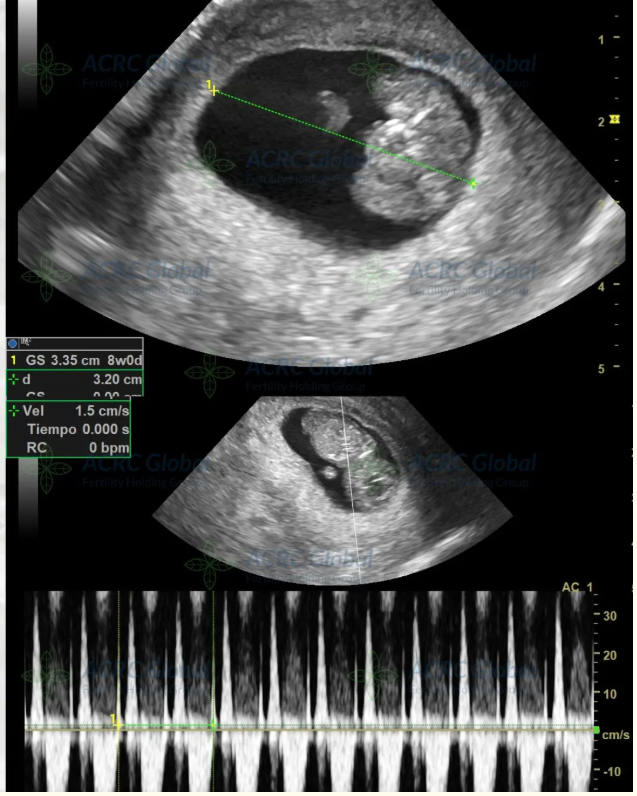
For one Japanese client’s journey, this week brought an encouraging prenatal ultrasound update.
According to the case update shared with ACRC, the clinic’s ultrasound report included crown-rump length measurements consistent with approximately 10 weeks of gestation. The update described reassuring early development, and the case manager has scheduled subsequent prenatal appointments.
For intended parents following a pregnancy from another country, receiving an update like this can make the journey feel more tangible. A scan becomes more than a medical appointment it is another opportunity to connect with the baby’s development.
ACRC’s team continues to coordinate cross-border communication and follow-up arrangements, helping the intended parents stay informed about the next steps.
What does a 10-week ultrasound mean? Crown-rump length measures the developing baby from the top of the head to the bottom of the torso. Clinicians use this measurement to assess size and help evaluate gestational age in early pregnancy. In IVF pregnancies, embryo age and transfer timing also inform pregnancy dating. ACOG
Ten weeks remains within the first trimester. An encouraging scan is a meaningful milestone, while ongoing prenatal care continues to monitor the pregnancy. NHS
Genetic Testing Preparations with Support from the Japanese Team
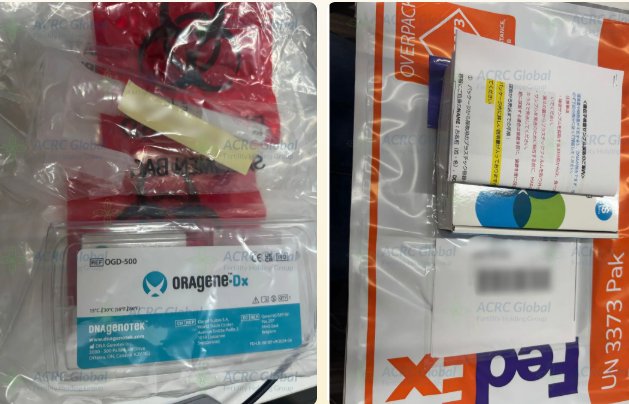
Another family took an important step in fertility planning when ACRC’s Japanese team coordinated the shipment of a genetic testing sample kit.
The team assisted with shipping arrangements and collection instructions. After the sample is collected, it will be sent to the designated laboratory for testing. The case manager will continue following the shipment and testing progress.
For international intended parents, practical details can raise many questions: How should the sample be collected? Where should it be sent? What happens after the laboratory receives it?
Clear instructions and coordinated follow-up help families move through this stage with a better understanding of what comes next.
Why might genetic testing be part of fertility planning? Depending on the test ordered, genetic testing can help clinicians assess certain inherited risks and discuss reproductive options. The purpose, limitations, and meaning of the results should be explained by the ordering clinician or a genetic counselor.
Testing a person’s sample is different from testing an embryo. Genetic screening does not guarantee a healthy embryo, pregnancy, or baby.
An Intended Mother and Her Surrogate Build a Personal Connection
Some of the most memorable surrogacy milestones happen outside a clinic.
This week, an intended mother met with her surrogate for a walk and photographs by a lake. The surrogate brought her two children, giving the families time to talk and enjoy an ordinary afternoon together.
The case update described a warm meeting shaped by openness, gratitude, and growing trust. Across different cultural backgrounds and life experiences, the intended mother and surrogate found space to connect as people.
For this family, the lakeside visit became a meaningful part of the journey, a shared memory while they look forward to the baby’s arrival.
Can intended parents build a relationship with their surrogate? Yes. Communication and visits can be part of a surrogacy journey when everyone agrees. The frequency and format should reflect the surrogate’s and intended parents’ preferences, boundaries, and practical circumstances.
Every relationship develops differently. Respectful communication gives each person room to feel heard and supported.

A Surrogacy Pregnancy Reaches 30 Weeks
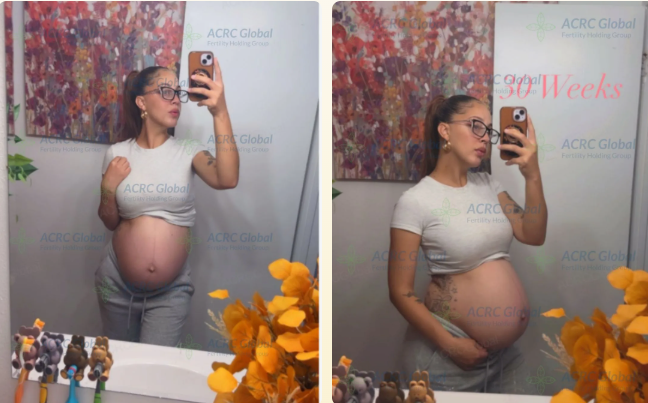
A fourth update brought encouraging news as another surrogacy pregnancy reached 30 weeks.
According to the case information shared with ACRC, the latest hospital monitoring report described fetal growth measurements within expected ranges and a stable overall condition at that appointment.
The surrogate is also a mother herself. Her previous pregnancy experience is part of her personal story, and the team continues to support her as this pregnancy progresses.
At 30 weeks, the pregnancy is in the third trimester. There is still time ahead for prenatal monitoring and preparation before birth. For the intended parents, this milestone brings a growing sense of anticipation as they look toward welcoming their baby.
We send our warmest wishes to the surrogate and intended parents as they continue toward their next appointment and the milestones still to come.
What These Surrogacy Stories Show About Ongoing Support
These weekly updates highlight different parts of family building: medical follow-up, fertility planning, communication across borders, and relationships built over time.
In the cases shared here, ACRC’s support includes:
Coordinating follow-up appointments and communication.
Assisting with genetic testing kit logistics.
Following testing and pregnancy updates.
Supporting communication between intended parents and surrogates.
ACRC Global is a surrogacy and fertility coordination agency headquartered in Irvine, California, with an international office network that includes Tokyo, Japan. ACRC Global
For families exploring international surrogacy, these stories offer a practical view of how coordination continues beyond an initial consultation or match. Medical decisions remain with the treating professionals, while case coordination helps families understand the next steps.
Explore ACRC’s surrogacy process for intended parents or read more ACRC surrogacy success stories.
Frequently Asked Questions About Surrogacy Journey Updates
What milestones happen during a surrogacy journey
Depending on the stage of the journey, milestones may include fertility testing, surrogate matching, medical and legal clearance, embryo transfer, pregnancy confirmation, prenatal appointments, and birth preparation. These weekly stories focus on fertility planning, pregnancy progress, and family connection.
How can intended parents follow a pregnancy from overseas
Intended parents can discuss a communication plan with their case manager and surrogate. Updates may include appointment information and medical reports shared with appropriate authorization. The plan should account for language needs, time zones, and everyone’s privacy preferences.
Does ACRC support intended parents from Japan
Yes. The cases in this update include Japanese intended parents and coordination by ACRC’s Japanese team. Families can ask about language support and cross-border arrangements during a consultation.
Do positive pregnancy updates guarantee a successful birth
No. An encouraging ultrasound or growth assessment describes findings at that stage of pregnancy. Ongoing prenatal care remains important, and individual outcomes vary.
Start Your Surrogacy Journey with ACRC
Whether you are beginning your research or ready to discuss your options, understanding the steps ahead can help you prepare.
ACRC Surrogacy welcomes questions about the surrogacy process, international coordination, and support throughout the journey.
Book a free consultation with ACRC Surrogacy to discuss your family-building goals and the next steps available to you.
These updates describe individual journeys in progress and do not establish an agency success rate or predict another family’s outcome. This article provides general information and does not replace individualized medical advice.
About the author:


Comments