
Can Plastic Exposure Affect Fertility? What The Plastic Detox Means for Your Family-Building Journey

Could everyday products be part of the conversation about fertility? Netflix’s The Plastic Detox explores that question through couples trying to conceive while reducing exposure to plastic-related chemicals.
For intended parents, the useful takeaway is to discuss environmental exposures alongside a personalized medical assessment. The film offers a reason to ask questions, rather than a formula for getting pregnant.
At ACRC Surrogacy, we believe families deserve clear information about their options, including fertility and surrogacy support, without promises that one lifestyle change can solve infertility.
What is The Plastic Detox about?
Released on Netflix on March 16, 2026, The Plastic Detox follows six couples navigating fertility challenges as they reduce everyday exposure to plastic-related chemicals. Reproductive epidemiologist Shanna Swan helps guide the project.
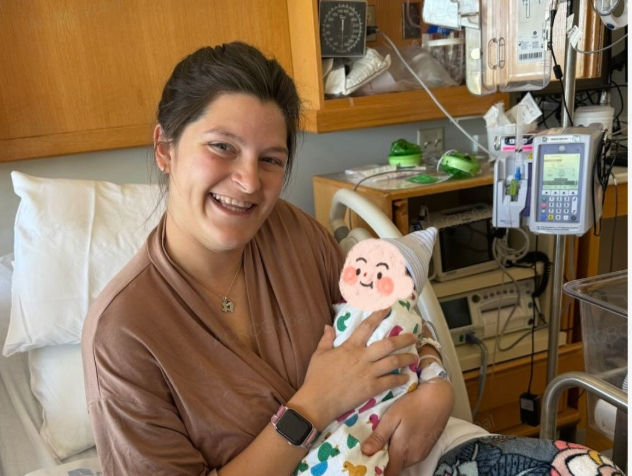
Julie and Eric Isaac, featured in the video linked below, are among the participants. Netflix’s follow-up reports that they welcomed a son in early 2026 after a long infertility journey. Their experience is hopeful, but cannot predict another family’s outcome.
What does the fertility research actually show?
A related 2026 pilot study in Toxics followed five couples over three months. Researchers reported reductions in selected urinary chemical biomarkers and exploratory improvements in semen measures. Four couples later had pregnancies and live births during follow-up.
However, the study was small and had no control group. It cannot establish that the intervention caused those births or that avoiding plastic treats infertility. Larger controlled trials are needed.
The distinction between plastic particles and plastic-related chemicals also matters. The study measured chemical biomarkers; it did not demonstrate that participants cleared microplastic particles from their bodies.
How could plastic-related chemicals affect reproductive health?
Some chemicals found in plastics and other everyday products can interfere with hormones. These are called endocrine-disrupting chemicals. NIEHS identifies BPA and phthalates among the substances of concern and explains that endocrine disruption may affect reproductive health. Exposure varies by chemical, product and circumstances.
That does not mean a plastic container caused a particular person’s infertility. Your clinician can help assess your history and identify which concerns deserve attention.
What practical changes can you discuss with your doctor?
Choose manageable habits that fit your budget and routine. NIEHS describes steps such as reducing takeout meals and unnecessary personal-care products, controlling household dust, and considering appropriate water filtration.
You can also ask your clinician about food-storage choices and fragrance-free alternatives. Treat these conversations as part of preconception care, rather than a requirement to replace everything you own.
Should you delay a fertility evaluation to try a plastic detox?
No. ASRM recommends evaluation after 12 months of trying when the partner with ovaries is younger than 35, or after six months at age 35 or older. Earlier assessment may be appropriate with known risk factors; people over 40 may warrant more immediate evaluation.
Male fertility deserves attention too. A reproductive history and semen analysis are standard starting points, with specialist assessment when abnormalities are found.
Where do IVF, donors and surrogacy fit?
These options address different needs. A fertility specialist can explain whether treatment with your own eggs and sperm, donor conception, or a gestational carrier fits your circumstances.
A gestational surrogate carries an embryo created through IVF and does not provide the egg. This pathway may be considered when an intended parent cannot safely carry a pregnancy or needs someone to carry it. Surrogacy itself does not correct sperm abnormalities.
ACRC Global supports intended parents exploring U.S. surrogacy, donor options and coordination with fertility professionals. You can learn about IVF support, explore egg and sperm donor options, or book a free consultation with ACRC.
Frequently asked questions
Can reducing plastic exposure guarantee pregnancy?
No. The pilot findings do not establish a fertility treatment or a guaranteed outcome. Use them to inform a discussion with your doctor.
Do I need surrogacy if I am concerned about environmental exposure?
Environmental concerns alone do not establish a need for surrogacy. A clinical evaluation should guide decisions about fertility treatment and pregnancy care.
Can ACRC diagnose infertility?
ACRC provides education and coordination. Diagnosis and medical treatment are provided by licensed physicians and fertility clinics. Check our Global Doctor's Network.
Video credit and sources
Video reference: Original Instagram reel supplied for this article. Documentary credit: The Plastic Detox, directed by Louie Psihoyos and Josh Murphy; available on Netflix. Interviews and documentary footage belong to their respective rights holders.
Medical disclaimer: This article provides general educational information and is not medical or legal advice. Consult qualified professionals about your circumstances. Lifestyle changes, fertility treatment and surrogacy do not guarantee pregnancy or live birth.
About the author:


Comments