
ACRC Weekly Success Stories: Embryo Transfer Preparation and Pregnancy Milestones

This week’s ACRC Weekly Success Stories highlights three meaningful milestones: a surrogate reaching 14 weeks of pregnancy, a post-transfer check supported by our Japanese team, and another surrogate completing examinations ahead of a frozen embryo transfer.
Behind every update are intended parents looking forward to building their family, a surrogate taking each step with care, and an ACRC Global team helping everyone stay connected and informed.
Celebrating 14 Weeks of Surrogate Pregnancy
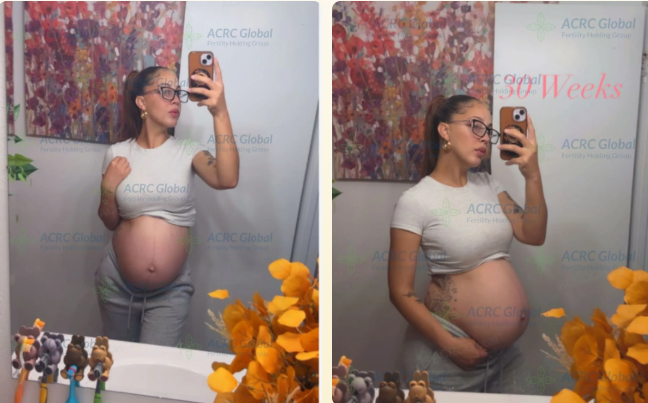
One of our surrogates has reached 14 weeks of pregnancy and shared new photos of her growing bump with the ACRC team.
It is a special milestone for the surrogate and intended parents a moment to celebrate how far their journey has progressed and look ahead to the coming months.
At 14 weeks, pregnancy is in the second trimester. Some people begin to notice improvements in energy or nausea during this stage, although every pregnancy is different and regular prenatal care remains essential.
Our team will continue helping coordinate appointments and communication, while her healthcare providers monitor the pregnancy and guide her care.
For intended parents, these personal updates can help them feel more connected to the pregnancy. A photo, an appointment update, or a shared message can become a meaningful part of their family-building story.

A Post-Transfer Milestone Supported by Our Japanese Team
Another journey supported by ACRC Global’s Japanese team reached an important milestone on October 8, when the surrogate completed her scheduled post-transfer pregnancy check.
The waiting period after embryo transfer can bring excitement and uncertainty. Clear communication and an organized follow-up plan help the surrogate and intended parents understand what comes next.
According to the case update, the surrogate was doing well, and the reported indicators were stable at that appointment. Follow-up examinations have been arranged, and the Japanese team will continue updating the intended parents as further results become available.

The fertility clinic directs hormone testing, medication instructions, and medical follow-up. ACRC helps coordinate appointments and communication throughout the process.
For Japanese-speaking intended parents exploring their options, visit ACRC Global’s Japanese-language website and Miracle Angels in Japan to learn more about our services and support.
Preparing for Frozen Embryo Transfer
Our third update follows a surrogate who completed the clinic examinations required ahead of her planned frozen embryo transfer (FET).
A frozen embryo transfer involves thawing a previously frozen embryo and transferring it into the uterus. Before proceeding, the fertility clinic assesses whether the patient is ready and determines the appropriate treatment schedule.
In this case, the clinic reported that the assessed uterine lining and related hormone measurements met its requirements for the next stage of transfer preparation.
This is an encouraging step forward. However, meeting pre-transfer requirements does not guarantee implantation or pregnancy.
The ACRC case manager will continue following up on the clinic’s medication instructions and transfer timeline, helping the surrogate and intended parents stay informed as they prepare for the next milestone.

How Does ACRC Global Support Surrogates and Intended Parents?
Surrogacy involves more than medical appointments. It also requires communication, planning, and support for the people at the heart of the journey.
ACRC Global Surrogacy provides case management and coordination throughout the process, working alongside independent fertility clinics, reproductive attorneys, and other professionals.
Our team helps with:
Coordinating journey timelines and appointments.
Facilitating communication between surrogates and intended parents.
Explaining upcoming steps and directing questions to the appropriate professionals.
Supporting planning throughout matching, pregnancy, and preparation for birth.
Treating healthcare professionals remain responsible for medical decisions and care. Each journey progresses according to individual circumstances and clinical guidance.
Explore ACRC Global’s surrogacy and fertility services to learn more.
Common Questions About These Surrogacy Milestones
What happens after a surrogate’s embryo transfer?
The fertility clinic provides instructions for medication, pregnancy testing, and follow-up appointments. The next steps depend on test results and the treating physician’s recommendations. ACRC helps coordinate communication throughout this period.
Does completing pre-transfer examinations guarantee pregnancy?
No. These examinations help the clinic determine readiness for treatment, but they cannot guarantee implantation, an ongoing pregnancy, or a live birth.
How are intended parents kept informed during pregnancy?
In these journeys, ACRC case managers help communicate appointment updates and upcoming milestones, respecting the surrogate’s privacy and the agreed communication arrangements.
Could You Help Someone Build Their Family?
Every journey begins with someone willing to explore becoming a surrogate.
If you have previously given birth and are considering gestational surrogacy, ACRC Global can help you understand eligibility, screening, compensation, and the support available throughout the process.
Taking the first step gives you an opportunity to ask questions and decide whether surrogacy may be right for you.
Start Your Journey as an Intended Parent With ACRC Global
If you are considering surrogacy to build your family, our team is here to help you understand the process and explore your next steps.
Learn more about finding a surrogate through ACRC Global, or book a free intended parent consultation to discuss your goals, questions, and available support.
We look forward to sharing more ACRC Weekly Success Stories as these journeys continue.
These updates reflect individual journeys at the time reported. Experiences, timelines, and outcomes vary. This article provides general information and does not replace medical or legal advice. Treatment decisions should be discussed with qualified professionals.
About the author:



Comments